


Funny Dreams
Funny dreams are playful and unpredictable moments from our subconscious that can cause laughing in dreams, and bring joy.



Register for a Dream Analysis and Interpretation and receive a certificate!
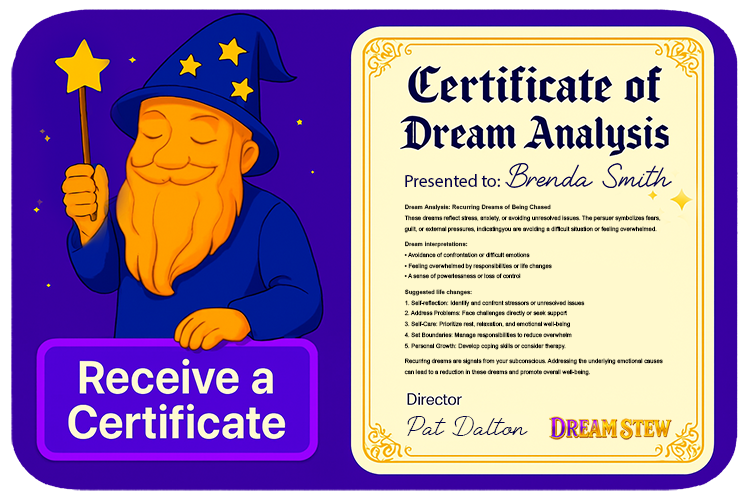
Dream analysis and interpretation
Funny dreams
Funny dreams are a delightful and often hilarious aspect of our subconscious mind. They tend to be unpredictable, whimsical, and sometimes downright absurd, making them a source of laughter and amusement when we wake up. For example, many people have experienced dreams where they find themselves speaking fluent alien languages or suddenly transforming into animals like elephants or flamingos in the most mundane situations. These bizarre scenarios often seem so real at the moment that they leave a lasting impression, prompting us to chuckle when recalling them later.
One common theme in funny dreams involves everyday situations turning into comedic chaos. Imagine dreaming about going to work, only to discover that your coworkers are all dressed as cartoon characters or that your office has turned into a giant playground filled with bouncing balls and slideways. Sometimes, these dreams parody our real-life anxieties or routines, exaggerating them to hilarious extremes. Such dreams serve as a humorous escape from daily stresses, allowing us to laugh at the absurdity of our imagined worlds.
Another amusing aspect of funny dreams is the unexpected role reversals or impossible scenarios that occur. For instance, dreaming of a world where animals run the government or where food comes to life and starts dancing can tickle our funny bones. These surreal and playful images highlight the creativity of our subconscious mind, which isn’t bound by the rules of reality. Waking up from a night of humorous dreams often leaves us with a smile, as we marvel at the wild, silly adventures our minds conjured while we slept.
Laughing in dreams
Laughing in dreams is a phenomenon that many people find both amusing and intriguing. It’s not uncommon to wake up feeling that you’ve experienced genuine, spontaneous laughter during your sleep, often after a funny dream filled with humor or absurdity. When we laugh in funny dreams, it can be a reflection of our subconscious processing joy, surprise, or even relief from stressful situations. Sometimes, the laughter feels so real that it blurs the line between dreaming and waking life, leaving us wondering if the sound was generated by our mind or by our actual voice during sleep.
The reasons behind laughing in dreams are varied. In many cases, it’s triggered by humorous scenarios or funny interactions happening within the dream narrative. For instance, dreaming about a silly mistake, a clever joke, or a humorous misunderstanding can induce bursts of laughter. These moments often mirror our real-life reactions to humor, showing how our brain continues to process amusement even while we’re unconscious. Interestingly, some researchers suggest that laughing in dreams may serve as a way for the brain to release tension and promote emotional well-being, similar to how laughter in waking life can be a stress reliever.
There are also instances where people laugh in dreams without any apparent reason or external humor. Sometimes, the laughter seems involuntary, spontaneous, and uncontrollable, almost as if the subconscious is playing a joke on itself. This type of laughter can be quite contagious, and waking up from such a dream often leaves individuals with a lingering sense of joy or a smile on their face. In some cases, these laughter episodes are linked to lucid dreaming, where the dreamer gains a level of awareness and can intentionally evoke humor or joy, further intensifying the laughter experience.
Overall, laughing in dreams highlights the playful and unpredictable nature of our subconscious mind. It’s a reminder that even in our most restful states, our brains are capable of creating moments of genuine happiness and amusement. Whether triggered by humorous scenarios or spontaneous bursts of joy, laughter in dreams adds a layer of warmth and lightheartedness to the mysterious world of sleep, leaving us with a delightful memory once we wake.
Laughter dream meaning
Laughter in dreams often carries rich symbolic meaning, reflecting various aspects of our emotional and psychological states. When we dream of laughing, it can signify feelings of happiness, relief, or a sense of release from stress. Such dreams might occur during moments when we experience joy or a breakthrough in our waking life, serving as a subconscious affirmation that we are in a positive emotional space. Alternatively, laughter in dreams can also symbolize a way for the mind to cope with uncomfortable truths or difficult situations, using humor as a defense mechanism to soften the impact of reality.
On a deeper level, laughter in dreams may point to a need for lightheartedness and playfulness in our waking routines. If the dream is filled with contagious laughter, it could be a signal that we need to loosen up and embrace more joy and spontaneity. Sometimes, these dreams encourage us to view life’s challenges with a sense of humor, promoting resilience and emotional balance. In this way, laughter in dreams can serve as a reminder to not take ourselves too seriously and to find humor even amid adversity, helping us to maintain a healthier outlook on life.
In some cases, laughter in dreams can also reveal hidden aspects of ourselves or unconscious thoughts. For example, laughing at something we find amusing or absurd might symbolize a recognition of our own quirks or irrational beliefs. It could be a prompt from the subconscious to reflect on our attitudes or behaviors that might be holding us back. If the laughter is directed at someone else or a particular situation, it may suggest feelings of superiority, mockery, or even guilt. Analyzing the context of the laughter can provide insights into our inner emotional landscape and help us understand how we process humor, embarrassment, or social dynamics.
Ultimately, laughter in dreams is a complex symbol that can hold multiple meanings depending on the context and personal experiences. It can represent genuine happiness, a desire for levity, or an unconscious coping strategy. Recognizing the emotions that accompany the laughter—whether joyous, nervous, or mocking—can deepen our understanding of ourselves and our current life circumstances. Embracing the message behind these dreams can inspire us to cultivate more humor and positivity in our waking lives, fostering emotional healing and personal growth.
Adding funny dreams to a dream journal
Adding funny dreams to a dream journal can be a highly enriching and uplifting practice. Humor has a unique way of lifting our spirits, and recording these lighthearted moments allows us to preserve and revisit the joy and amusement they bring. When we write down funny dreams, we create a collection of positive memories that can serve as a source of comfort and inspiration during challenging times. Revisiting these humorous entries can help boost our mood, foster a sense of gratitude, and remind us of the playful, creative side of our subconscious mind.
Furthermore, documenting funny dreams can enhance self-awareness and provide valuable insights into our emotional state. Often, the humor in dreams reflects our underlying feelings, attitudes, or unresolved issues in a lighthearted way. By analyzing these dreams over time, we might notice patterns or themes that reveal how we cope with stress, find joy, or perceive ourselves and others. This process can encourage personal growth, as recognizing the sources of our humor can lead to a better understanding of what makes us truly happy or what might be causing internal conflict.
Keeping a dream journal that includes funny dreams also fosters creativity and imagination. The whimsical, absurd, and often surreal qualities of humorous dreams can inspire us to think outside the box, both in our waking life and in creative pursuits. Writing about these dreams encourages us to embrace spontaneity and playfulness, which can lead to new ideas, artistic projects, or problem-solving approaches. Over time, this playful exploration through journaling can cultivate a more joyful and open-minded outlook, enriching our daily experiences.
Incorporating funny dreams into a journal ultimately helps us appreciate the lighter side of our subconscious and recognize the importance of humor in maintaining mental and emotional well-being. It transforms our dream experiences from fleeting moments into meaningful stories that highlight our capacity for laughter and joy. By regularly recording and reflecting on these amusing dreams, we nurture a positive connection with ourselves, fostering resilience, optimism, and a sense of wonder about the endless creativity of the mind.