
Nightmares
Nightmares are distressing and vivid dreams that often evoke feelings of fear, anxiety, or terror. They typically occur during the REM (rapid eye movement) stage of sleep and can be triggered by various factors such as stress, trauma, certain medications, or sleep disorders. For many, nightmares can disrupt sleep patterns, leading to feelings of exhaustion and emotional distress during the day. While occasional nightmares are common and usually harmless, frequent or intense nightmares may indicate underlying psychological issues that might benefit from professional attention.

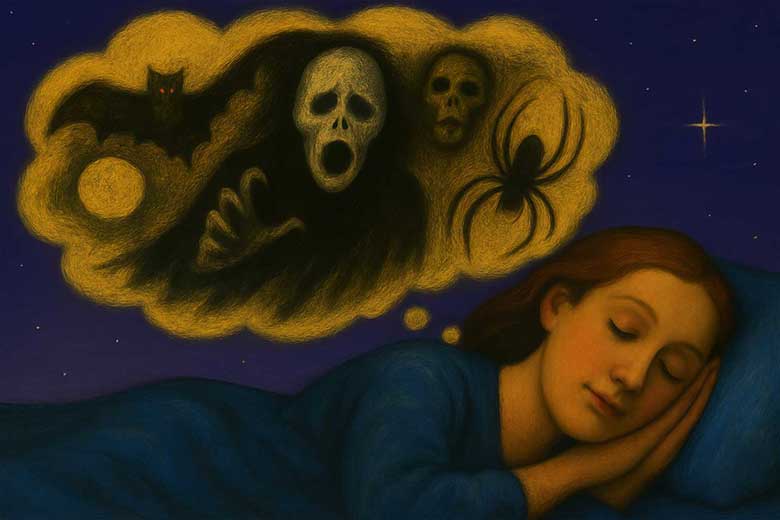
Nightmares
Dreams encompass a wide spectrum of experiences that occur during sleep, ranging from peaceful and inspiring to frightening and unsettling, nightmares. Most dreams are neutral or positive, serving as a way for the mind to process emotions, memories, and daily experiences. These dreams can be imaginative, playful, or even surreal, often reflecting our hopes, fears, and subconscious thoughts. They typically occur during REM (rapid eye movement) sleep, a stage where the brain is highly active, creating vivid mental images and narratives. For many, dreams provide a sense of escape or a means to explore scenarios that are impossible or unlikely in waking life.
Nightmares, on the other hand, are distressing dreams that evoke feelings of fear, anxiety, or despair. They are often more intense and memorable than regular dreams, and they can cause awakenings that leave the sleeper feeling shaken or frightened. Nightmares are common across all age groups but tend to be more frequent in children and individuals experiencing stress, trauma, or certain mental health conditions such as anxiety or post-traumatic stress disorder (PTSD). These frightening dreams may involve threats, danger, or feelings of helplessness, and they can sometimes be a manifestation of unresolved emotional conflicts or traumatic memories. When nightmares occur frequently or disrupt sleep quality, they can lead to issues such as fatigue, irritability, and difficulty concentrating during the day.
While occasional nightmares are normal and often harmless, persistent or severe nightmares may require attention. Techniques like stress management, establishing a calming bedtime routine, and practicing relaxation exercises can help reduce their frequency. In some cases, therapy or medical intervention may be necessary, especially if nightmares are linked to trauma or underlying mental health issues. Despite their unsettling nature, nightmares can also serve as valuable signals from the subconscious, highlighting unresolved fears or emotional wounds that may benefit from attention and healing. Overall, dreams and nightmares reflect the complex interplay between our subconscious mind and waking life, offering insights—whether comforting or challenging—into our inner emotional landscape.
Nightmares are a particularly intriguing aspect of our dreaming experiences because they often evoke strong emotional reactions and can significantly impact sleep quality. Unlike regular dreams, which may be neutral or positive, nightmares are marked by intense feelings of fear, horror, helplessness, or sadness. They frequently involve scenarios where the dreamer perceives danger, threat, or trauma, and these vivid, emotionally charged images tend to stay with the individual long after waking. For some, nightmares happen sporadically, while for others, they may occur regularly, leading to sleep disturbances such as insomnia or frequent awakenings during the night.
The causes of nightmares are diverse and can include psychological factors like stress, anxiety, or trauma, as well as physical factors such as illness or medication side effects. Traumatic experiences, especially, are strongly linked to recurring nightmares, a hallmark symptom of post-traumatic stress disorder (PTSD). These nightmares often replay the traumatic event, sometimes with altered or exaggerated details, which can reinforce feelings of fear or helplessness. Additionally, certain sleep disorders like sleep apnea or restless leg syndrome may increase the likelihood of nightmares, possibly due to disrupted sleep patterns or fragmented REM sleep.
Addressing frequent nightmares often involves a combination of psychological and behavioral strategies. Techniques such as imagery rehearsal therapy (IRT) involve rewriting the nightmare with a less frightening or more positive ending while awake, which can reduce the frequency and intensity of nightmares over time. Stress reduction methods—including meditation, relaxation exercises, and maintaining a consistent sleep schedule—are also helpful. In some cases, medication may be prescribed to manage underlying conditions or to suppress nightmares, especially when they are linked to trauma or mental health issues. Despite their distressing nature, nightmares can serve as important signals from the subconscious, revealing unresolved fears or emotional wounds that might benefit from therapeutic intervention. Understanding and addressing nightmares can lead to better sleep, emotional healing, and overall well-being.